A stylish laundry room does not need a complete renovation to feel more considered, practical and inviting. In this Friendly Turtle EcoBlog guide, we explore how thoughtful design choices, including abstract wall art, can transform a purely functional utility space without sacrificing everyday usability. From choosing artwork that complements existing cabinetry, flooring and lighting to selecting the right size, placement and moisture-resistant materials, small updates can create a more cohesive interior with minimal disruption. We also look at how neutral palettes, natural wood, woven storage, warm LED lighting and carefully chosen decorative details can work together to make the room feel calmer and more intentional. The key is to avoid unnecessary clutter and focus on a few durable additions that genuinely improve the space. Rather than replacing perfectly functional elements, homeowners can work with what they already have, adding personality through long-lasting artwork, practical storage and efficient lighting. With the right balance of style, function and thoughtful consumption, even a compact laundry room can become a welcoming part of the home while supporting a more sustainable approach to interior design.
Share your articles with us and get published! Reach out at hello@friendlyturtle.com.
Ease Your Environmental Concerns with Reusable Bags
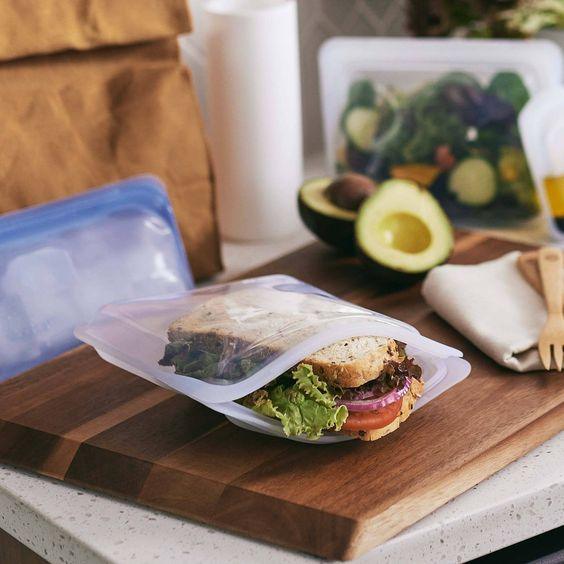
Sandwiches are easy to make and convenient to bring anywhere, that’s why they’re popular on-the-go foods. Making your sandwiches could even help you save money and enjoy a healthier meal since you have more control over the portion and the ingredients that go into them. You need to make sure they are packed properly. Rather than using conventional plastic bags, consider sustainable options like reusable sandwich bags. By ditching sandwich plastic clingfilm, bags, and containers, you could contribute to reducing the waste that goes into the landfill or the seas, and help save the environment.
Silicone reusable bags will keep your sandwich fresher much longer with their leakproof design and airtight seal. They come as Ziploc pouches, which you can get in different sizes. That way, you also have reusable and portable containers for other foods you like to eat with your sandwiches, such as vegetables, nuts, or chips. High-quality reusable sandwich bags use safe, food-grade silicone that is BPA-free and FDA approved. They are heat resistant up to 230 degrees, microwavable, freezer-safe, and dishwasher friendly.
Another kind of reusable sandwich bag you can use is a cotton food wrap that is free of BPA, phthalate, and lead. It can also be used as a lunch mat, in case you are having lunch at your desk and you want to keep the crumbs off the table and your other things. Reputable zero-waste stores carry reusable food wraps made of 100 per cent cotton, with a waterproof liner to keep the food fresher for an extended time.
If you are looking for alternatives to reusable silicone bags, consider plant-based wax food wraps. Zero-waste shops in the UK offer them in packs of different sizes, where the large wrap can fit an adult sandwich. Like cotton reusable sandwich bags, they come in different designs for a more enticing, appetising, and enjoyable lunch.
0 comments
Let customers speak for us
Blog posts
A low-waste haircare routine should make everyday life easier, not leave you with more half-used bottles, complicated swaps and products that never quite suit your hair. In this Friendly Turtle EcoBlog guide, we explore how to build a practical routine that reduces waste by focusing on what you already own, choosing fewer products and making each one last longer. From finishing shampoos and styling products before replacing them to washing more efficiently, using less hot water and choosing refillable, concentrated or bar formats carefully, small changes can reduce both packaging and unnecessary consumption. We also look at styling products, hairsprays, durable tools, towels, brushes and hair accessories, showing how thoughtful choices can cut clutter while supporting lower-impact habits. Recycling matters too, especially for aerosols, pumps and mixed-material packaging that may not be accepted everywhere. The most sustainable routine is not the one with the most eco-labelled products, but the one you can realistically repeat, even on a busy morning. By buying less, using products fully, caring for reusable tools and adapting your wash routine to your actual hair needs, you can create a simpler, lower-waste approach that works long term.
