Your roof is easy to ignore when you’re trying to live greener, but it may be one of the biggest levers you can pull. The right roofing choices can cut summer heat gain, lower energy bills, and reduce your household’s carbon footprint without changing how you live day to day. From cool roofs that reflect sunlight and keep surface temperatures dramatically lower, to longer-life materials like recycled-content metal and durable tiles, sustainability starts with what you install and how long it lasts. For those ready to go further, green roofs can absorb rainfall, improve insulation, and cool the air around your home, while solar panels or solar shingles can turn your roof into a small, clean power plant. At Friendly Turtle EcoBlog, we focus on practical upgrades that reduce waste and emissions so you can choose a roof that protects your home and supports a lower-impact lifestyle, one smart decision at a time.
Share your articles with us and get published! Reach out at hello@friendlyturtle.com.
Ease Your Environmental Concerns with Reusable Bags
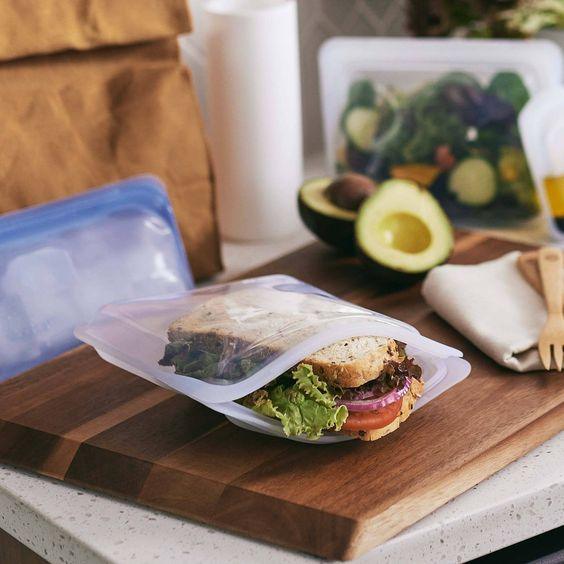
Sandwiches are easy to make and convenient to bring anywhere, that’s why they’re popular on-the-go foods. Making your sandwiches could even help you save money and enjoy a healthier meal since you have more control over the portion and the ingredients that go into them. You need to make sure they are packed properly. Rather than using conventional plastic bags, consider sustainable options like reusable sandwich bags. By ditching sandwich plastic clingfilm, bags, and containers, you could contribute to reducing the waste that goes into the landfill or the seas, and help save the environment.
Silicone reusable bags will keep your sandwich fresher much longer with their leakproof design and airtight seal. They come as Ziploc pouches, which you can get in different sizes. That way, you also have reusable and portable containers for other foods you like to eat with your sandwiches, such as vegetables, nuts, or chips. High-quality reusable sandwich bags use safe, food-grade silicone that is BPA-free and FDA approved. They are heat resistant up to 230 degrees, microwavable, freezer-safe, and dishwasher friendly.
Another kind of reusable sandwich bag you can use is a cotton food wrap that is free of BPA, phthalate, and lead. It can also be used as a lunch mat, in case you are having lunch at your desk and you want to keep the crumbs off the table and your other things. Reputable zero-waste stores carry reusable food wraps made of 100 per cent cotton, with a waterproof liner to keep the food fresher for an extended time.
If you are looking for alternatives to reusable silicone bags, consider plant-based wax food wraps. Zero-waste shops in the UK offer them in packs of different sizes, where the large wrap can fit an adult sandwich. Like cotton reusable sandwich bags, they come in different designs for a more enticing, appetising, and enjoyable lunch.
0 comments
Let customers speak for us
Blog posts
Sustainable jewellery is changing how people shop for rings, bands and fine jewellery not as a passing trend, but as a values-led upgrade. More buyers want pieces that look stunning and come with clearer sourcing, fairer labour standards, and a lighter footprint. From recycled metals to lower-impact gemstones, today’s options make it easier to choose jewellery you’ll feel good wearing for years. In this Friendly Turtle EcoBlog guide, we explore why sustainable jewellery is booming, why the rose gold diamond eternity band has become a modern favourite, and what “lab-grown” really means compared with mined diamonds. You’ll also learn how to spot genuine transparency, which certifications and supply-chain details to look for, and how to avoid greenwashed claims. If you’re choosing an engagement ring, wedding band, or a meaningful gift, these practical checks help you buy smarter and support innovation that moves the industry in the right direction.
Facial ageing isn’t just about wrinkles. Over time, we lose volume and structural support as fat pads shift, the jawline softens, and subtle changes in bone and skin thickness affect proportion. That’s why “chasing lines” rarely delivers a balanced result. This guide explains what facial balance means in modern aesthetic medicine, how hyaluronic acid dermal fillers behave beneath the skin, and why placement and depth matter more than the amount used. You’ll learn which areas (cheeks, temples, chin and jawline) can be supported to restore harmony without surgery, what fillers can’t fix (significant laxity and excess skin), and the safety essentials to look for, including realistic expectations, qualified injectors, and long-term maintenance planning. At Friendly Turtle EcoBlog, we’re interested in self-care that’s mindful, informed, and measured so readers can make calmer, safer choices rather than overcorrecting or following trends.
