Modern home decor is increasingly moving beyond furniture and trends towards something more meaningful: atmosphere. While many homeowners focus on sofas, tables and decorative accessories, lighting often has the greatest influence on how a space actually feels. The difference between a cold, clinical room and a warm, inviting home can often come down to a few carefully chosen light sources. From layered lighting and warm-toned bulbs to statement lamps and personalised decor, thoughtful lighting design can transform even the smallest space without the need for costly renovations or constant redecorating. As interest in slow living, mindful consumption and sustainable home design continues to grow, many people are discovering that creating a cosy home is less about buying more and more about making smarter choices. At Friendly Turtle EcoBlog, we believe sustainable living is about improving everyday life while consuming more consciously. This article explores how lighting shapes mood, comfort and wellbeing, why layered lighting is becoming a key part of modern interiors, and how a few simple changes can help create a warmer, more personal and environmentally conscious home that feels welcoming long after the sun goes down.
Share your articles with us and get published! Reach out at hello@friendlyturtle.com.
A Perfect Table Top – Jute Table Mats
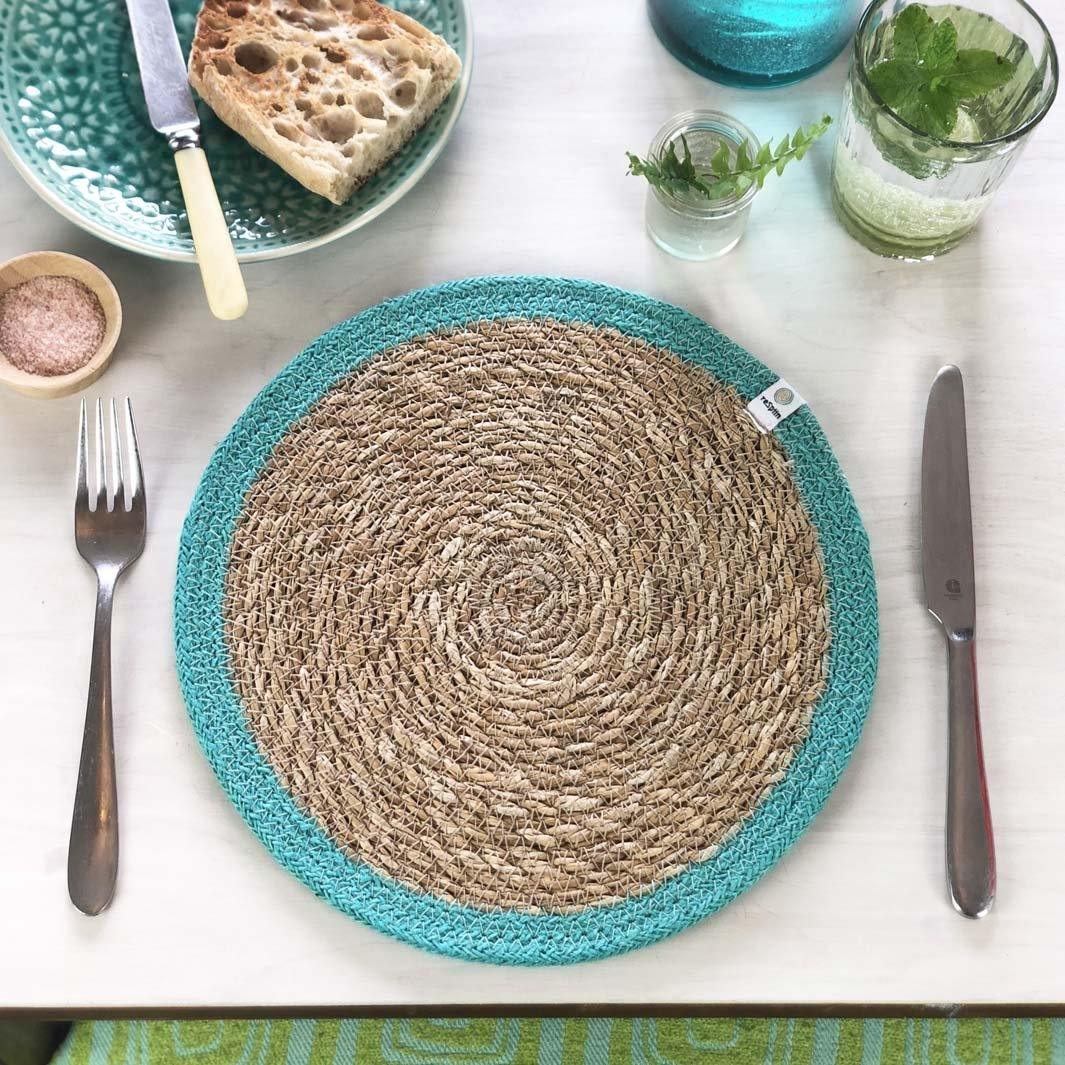
Taking steps to go eco-friendly can be fun, especially when it comes to making some changes to your household. Rather than using plastic tablet mats, you might want to consider getting those made of jute, a natural fibre that is downright environmentally friendly and sustainable. A jute table mat can be an aesthetically pleasing addition to your interior décor. When you browse the selection at a plastic-free shop in the UK, you are likely to find the product in many different sizes and varieties.
Why jute?
Jute fabric is a great material for frequently used sustainable homeware, such as table mats. It starts right during its cultivation, as a hectare of that can already absorb up to 15 tonnes of carbon monoxide, and release 11 tonnes of oxygen as it grows for around 100 days. So, it reduces environmental pollution. Jute cultivation also requires minimal pesticides, herbicide, and fertilisers.
Jute’s environmental benefits do not stop there.
When a jute table mat reaches the end of its service life, you can dispose of it as it is a biodegradable material, or you can put it in a compost pit. Alternatively, it can be recycled by manufacturers or repurposed.
Elegant and functional for your table
A reputable plastic-free shop in the UK carries jute table mats in different colours, so you should be able to find the perfect product that will suit your interior design or appeal to your taste. Sustainable homeware like the jute table mat is safe and hygienic to use. It’s made without any added chemicals that could be harmful to your health, and it effectively prevents unwanted residues, spills, or marks caused by food and drinks on your dining or coffee table.
High-quality jute table mats are made of organic materials and are surprisingly affordable. It’s the same for other jute products, like coasters, which can provide a consistent finish to your table décor. So, don’t hesitate to get a jute table mat or more to replace conventional plastic mats.
0 comments
Let customers speak for us
Blog posts
Eco-friendly beauty is no longer a niche trend reserved for a small group of environmentally conscious shoppers. In 2026, it has become a mainstream movement driven by consumers who want greater transparency, sustainability and long-term value from the products they buy. From ingredient sourcing and cruelty-free formulations to recyclable packaging and refillable containers, modern beauty buyers are paying closer attention to the environmental impact of their routines than ever before. Rather than chasing every new product launch, many consumers are embracing a more mindful approach focused on quality, durability and multifunctional products that reduce waste while delivering excellent results. The rise of professional-level beauty at home, reusable tools and ingredient-conscious skincare reflects a broader shift towards responsible consumption. At Friendly Turtle EcoBlog, we believe sustainable living extends beyond household products and into every aspect of daily life, including personal care and beauty. This article explores how conscious consumers are reshaping the beauty industry through smarter purchasing decisions, ethical brand support and a growing preference for eco-friendly products that align with both personal wellbeing and environmental responsibility.
Fresh dog food is gaining attention among eco-conscious pet owners who want their purchasing decisions to reflect the same environmental values they apply to the rest of their household. While conventional pet food often relies on highly processed ingredients, complex global supply chains and difficult-to-recycle packaging, fresh dog food offers an opportunity to reduce waste and support more sustainable consumption. Many fresh food providers focus on locally sourced ingredients, transparent sourcing practices and shorter supply chains, helping to lower transportation impacts while improving traceability and animal welfare standards. Sustainable packaging also plays an important role, with compostable or lower-waste alternatives helping reduce the long-term environmental burden created by traditional plastic pet food bags. Beyond sustainability, gently cooked fresh food can provide a more natural nutritional profile with fewer heavily processed ingredients, supporting a more mindful approach to pet care. At Friendly Turtle EcoBlog, we believe sustainability extends to every aspect of daily life, including how we care for our pets. This article explores the environmental benefits of fresh dog food and how small changes in pet care choices can contribute to a more responsible and eco-friendly lifestyle.
