
Share your articles with us and get published! Reach out at hello@friendlyturtle.com.
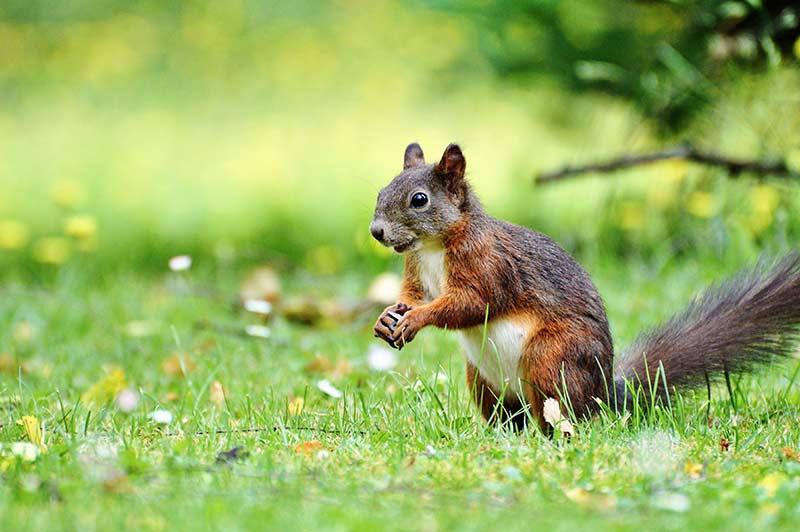
Making your yard a safe space for wildlife is not only beneficial to the animals. Creating a wildlife paradise can positively impact the health of your plants, flowers, and any fruits and vegetables you are growing.
In this article, we will discuss tips for creating a wildlife garden that will surely please all your furry and feathered friends. Following these simple guidelines will help you to turn your backyard into a true paradise for wild animals.
There are many benefits to having wildlife in your garden, including some that you may not have thought about before. These are the key reasons you should encourage wildlife into your garden.
Some animals cause more damage than good, but others should be on your wildlife Wishlist. If you start seeing the following animals in your outdoor space, you'll know your efforts to create a haven for wildlife have succeeded.
Some varieties of these animals, like Japanese beetles, can be damaging. If you suspect any of the wildlife in your garden is causing damage, take special precautions to remove them.
Now you know why introducing wildlife to your garden is so important, we'll arm you with the knowledge that you need to create a successful wildlife garden of your own. you don't have to implement all these changes at once but starting small and making gradual changes will have a much bigger impact than you might think.

One of the most important things you can do to attract wildlife is to choose the right plants. Make sure you select a variety of native plants, as these will be best suited to your local climate and soil. Planting non-native species can damage your local ecosystem, so make sure you do your research. You should also try to include a mix of trees, shrubs, and perennials to provide food and shelter for a range of animals. Planting wildflowers can also help to increase the biodiversity of your outdoor space.

To attract any animals, you need to make sure that your garden is an accessible and welcoming space for them. This means creating easy routes in and out, for example, making small openings in fences or replacing fences with hedgerows that they can find their way through. You will also need to provide habitats for animals to live in. For example, if you want to attract toads, frogs, and lizards, you'd benefit from creating a pond. To attract birds, put up some nesting boxes and feeding stations. Generally, think about what animals might need and provide it for them.

Water is essential for all animals, so try to include a small pond or birdbath in your design. You could even add a water feature like a waterfall or fountain to really make your garden stand out, but you’ll need to be careful of leaving stagnant water which can provide the perfect place for mosquitos to lay their eggs. Ensure water is kept moving to prevent this, and if you are leaving out dishes or bowls of water, change them every day.
You will also need to provide food, or at least the means to get food, for the animals you want to attract. This could be anything from a bird feeder full of seeds to a fruit tree that bears berries in the summer. If you're not sure what to plant, look around your neighbourhood and see what's already attracting wildlife.
As well as food and water, animals also need somewhere to shelter. This could be in the form of a hedge, log pile, or even just some dense foliage. If you have the space, you could even build a small shed or hut that can be used as a home for animals. Again, think about what animals you want to attract and provide the appropriate shelter.

Wildlife thrives when outdoor areas are left to go wild. Manicured and fake lawns do nothing for local animals, when things are too tidy there is nowhere for them to hunt, forage, or hide. They also provide very little drainage, causing rainwater runoff that can push harmful pesticides and chemicals into streams, polluting your local wildlife’s water supply. Try to stop being precious about how your garden looks and get rid of your perfect lawn, or at least leave a corner of your outdoor space to go ‘out of control’. You could also plant a moss lawn. They can put up with drought, and are much more beneficial.

Making plant-based meals is already a step towards a lower-impact lifestyle, but how you shop, cook and store your food can take it much further. In this guide, Friendly Turtle EcoBlog shares eight practical and achievable ways to make your plant-based meals more sustainable without adding pressure to your daily routine. From choosing seasonal, locally grown produce and using the whole vegetable, to relying on pulses, reducing kitchen energy use and storing food more effectively, each small habit plays a role. These simple changes can help cut food waste, lower packaging use and support a more mindful way of eating. At Friendly Turtle EcoBlog, we believe sustainability should feel realistic and approachable, not overwhelming. With the right habits in place, you can enjoy flavourful, satisfying meals while reducing your environmental footprint in a way that fits naturally into everyday life.

Sustainable living and mindful eating often get treated as two separate goals, but in everyday life they work best together. At Friendly Turtle EcoBlog, we believe the most effective eco habits are the ones that fit real routines, not idealised versions of ourselves. This guide explores how more mindful food choices can naturally reduce waste, cut unnecessary packaging, and make sustainable living feel calmer and more achievable. Instead of buying for fantasy meal plans or “just in case” moments, the focus shifts to what you genuinely enjoy eating, what your body responds well to, and what your household will realistically use. That means fewer wasted ingredients, more confidence in your weekly shop, and less food forgotten at the back of the fridge. We also look at simple habits that make a real difference: planning a few meals instead of too many, freezing leftovers earlier, keeping an “eat this first” shelf, and repeating meals that truly work for you. It’s not about restriction or perfection. It’s about choosing food with more awareness, wasting less without obsessing, and building a rhythm that supports your wellbeing while reducing your environmental impact at the same time.
