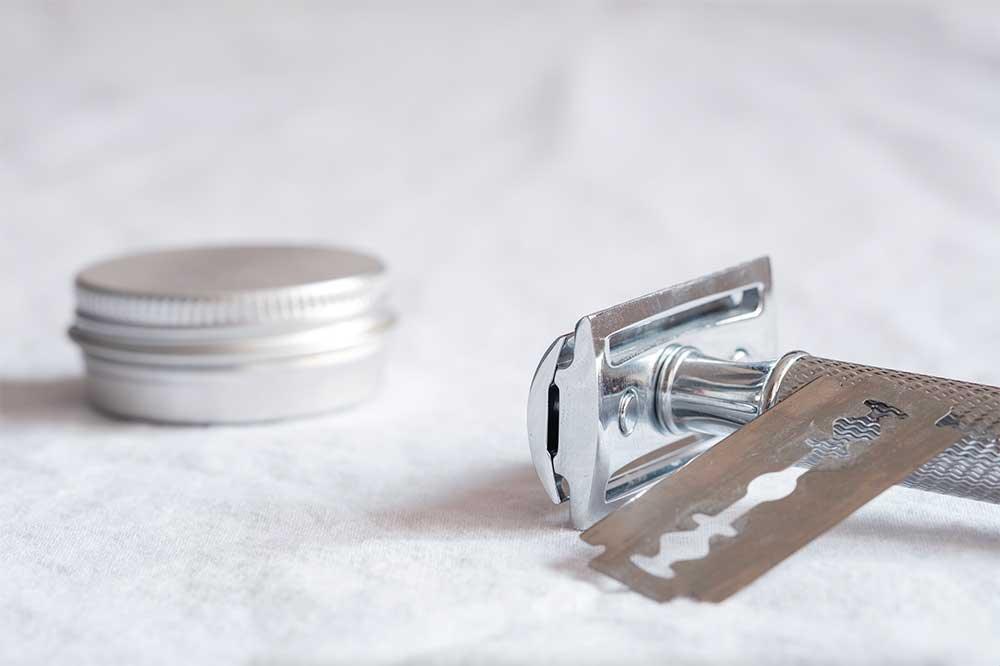
Ever looked at one and wondered how to use a safety razor? Shaving with a safety razor has been making a big comeback in the past few years (interested to hear 'why' they fell out of fashion?), as more people are looking for ways on how to go plastic free in the bathroom and/or reduce the cost of their regular grooming habits. However, there are also other benefits to shaving with a safety razor, such as being able to get a closer shave, that many people discover only once they give them a try.
Unfortunately, most of us are used to expensive plastic commercial razors sold in gendered packaging and colours – which is why learning how to use a safety razor can feel a little overwhelming to someone who hasn’t tried it before.
Worry not – in this guide we’ll walk you through the most important steps of learning how to use a safety razor and share some of our best tips, so that you too can shave more sustainably, more affordably and more effortlessly
The step-by-step guide on how to use a safety razor;
1) Make sure there's enough lubrication
First and foremost, apply a generous amount of any shaving foam, cream or soap. Use a soap designed specifically for shaving, not any regular bar of soap, and lather it up into a silky lather and apply to the areas you're shaving. If it’s your first time shaving with a safety razor, it’s always best to use more rather than less. The extra lubrication will make for a much easier glide with your safety razor.
2) Angle is everything
Position the safety razor at a 30 to 45 degree angle away from the skin. Safety razors are designed to only shave at this angle – if you position it at 90 degrees, the blade won’t be touching your skin.
3) Apply the right pressure
Without applying any pressure at all, glide the razor across your skin. The point about pressure is very important – you’ll cut yourself if you press too much. The weight of your safety razor applies all of the pressure you need when gliding it over your skin.
4) Shaving the right direction
Shave with the grain whenever possible – this will prevent ingrown hairs, pulling, and irritation and make for a much more gentle shave.
5) Correct strokes
Use short strokes and regularly rinse your razor to maintain sharpness.
6) Post-shave
Wash your skin with warm water and apply natural moisturiser, cosmetic oil, or any aftershave you may be using.
7) Look after your razor
Now you know how to use a safety razor, it's also important how you look after it. Make sure you thoroughly clean your safety razor – it’s best to unscrew it and wash each part separately, letting it air-dry on a towel or handkerchief to prevent rusting.
Things to keep in mind when shaving with a safety razor
Aside from following the steps we’ve outlined above, there are also some differences between your old commercial razor and a safety razor to keep in mind, as well as some universal considerations for shaving with a safety razor:
- Never dry shave and always use shaving soap bars or foam to protect your skin and help the safety razor slide.
- Do not push on your skin with the safety razor as you would with a commercial one – the weight of the safety razor pushes it to the skin and forcing it further would result in cuts.
- Take your time when you’re using a safety razor for the first time and don’t rush.
- Replace your safety razor blade after every 5-10 shaves (depending on which area of your body you’re shaving) to make sure you always get a clean shave.
- It’s best to shave after some time spent in the shower or bath, which is when your hair will be the softest and easiest to shave.
- Moisturise your skin after you shave to prevent irritation.
- It takes some time to learn how to use a safety razor, so don’t be discouraged by a cut or two your first time around using it!
Now you're armed with all of the info you need for the perfect shave, perhaps now its time to make the switch to an eco friendly razor.
Looking for brands which share our eco conscious values? Give Bambaw, Mutiny Shaving or Rugged Nature a little look!