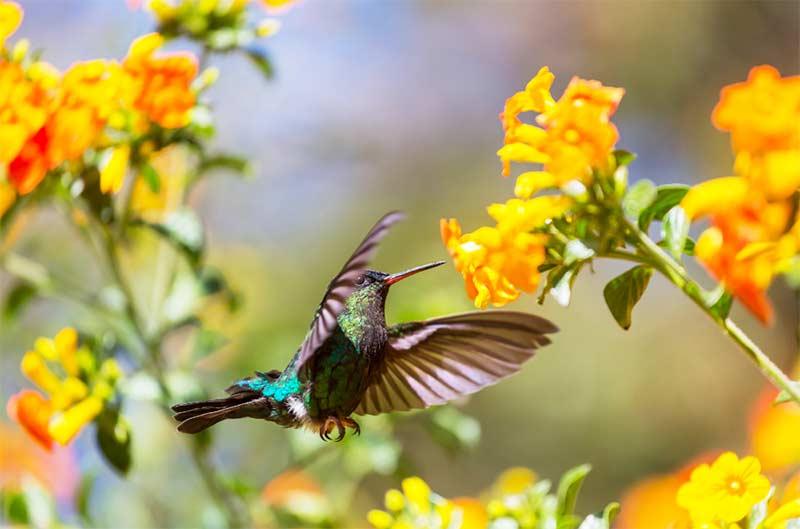
Birds are majestic creatures that come in all shapes and sizes. In the UK alone, there are over 570 types of birds, and these range from native species to ones that migrate here for part of the year.
Some are incredibly common, like blackbirds and pigeons, while others, like the pied flycatcher and the red-necked grebe, are rarer and aren’t commonly seen.
With so many unique and beautiful types of birds out there, it’s no wonder that birdwatching is such a popular hobby.
As many as 3 million adults go birdwatching every year, and while you might think they have to travel far to tick as many species off their lists as possible, many don’t have to travel far.
Birds live in almost every habitat throughout the UK, whether it’s near cities or in forests, on the coastline or on riverbanks.
As many of them can fly, they have a relatively wide field to traverse, but they can be tempted into gardens and private outdoor spaces if you create the right atmosphere.
So, if you want to welcome more birds to your garden and enjoy birdwatching from the comfort of your own home, then here are some useful tips on how to attract birds into your garden;
Learn About The Birds That Are Local To Your Area
Before you start considering changing your garden to improve your chances of welcoming more birds, you should find out about the local birdlife that lives in your area.
The types of birds that live in your area will affect the food you need to put out to attract them and what you will see when you look out into your garden. So, you need to find out more about common local birds in your area and what they like, so that you can create the perfect space for these birds.
If you focus on a type of bird that doesn’t often come to where you live, then you might get the results you expect from your efforts to create the perfect paradise for local birds. If you want to get an insight into the bird population in your area, then consider reaching out to ornithological societies, as they can share insight into the species that they notice most often.
Keep Chemicals And Equipment Out Of Reach
Birds are naturally inquisitive, so any pots, equipment and chemicals might tempt them and can cause a choking or poisoning issue. Even natural plant foods and fertilisers can cause digestive problems for birds, especially if they eat them in large quantities. So, it would be best if you tried to keep anything you don’t want birds to go near in a safe space.
If you have a lot of equipment and chemicals that you use in your garden, like large pieces of machinery and various plant foods, then you might want to consider investing in a garden shed. You can find a selection of garden storage buildings available from Buy Sheds Direct, so you can find the right one that will keep everything safe from curious and hungry birds.

Offer Secluded Areas For Rest And Safety
An open garden might seem ideal for budding birdwatchers, as it will be easy to spot new additions when they arrive. However, an entirely open space might not be safe for birds, particularly small ones that are at risk from predators.
Also, in a wide open space, birds can build nests, which means that they won’t have any reason to stay in your garden for a long period. So, if you are looking for ways to attract birds into your garden, you should try to create spaces for birds to rest in. If you have any trees or shrubs, then you should consider positioning them in a shaded part of the garden to allow birds to use them as a refuge.
You should also think about putting in small birdhouses to offer a dedicated space for some birds to build nests in, so that they feel safe and can make a home in your garden.
Plant Sources Of Food
Providing fresh food and water for birds is essential if you want to attract them to your garden. While there are many man-made birdfeeders out there, and you can put down nuts and fat balls to tempt birds, you can also consider introducing plants that are natural sources of food for birds.
Many British plants are sources of food for birds, so you can choose a selection that will work well with your soil and existing garden plants. You will then be able to tempt more birds into your garden and provide them with fresh, natural sources of nutrition. Also, you’ll have beautiful plants to make looking out over your garden even more enjoyable for you and your family.
Creating a bird-friendly garden can be a fun way to connect with nature and see more of the incredible bird life that calls the UK home. These tips on how to attract birds into your garden should help you to create a natural haven for birds that will encourage them to visit your garden and allow you to see more of them.