Creating an eco-friendly garden is an important step to reducing your carbon footprint and making the most out of your outdoor space. From planting native species to growing your own vegetables, there are many ways to make your outdoor space more eco-friendly. Not only is it better for the environment, but it's also cheaper in the long run and can provide you with a great source of pride and satisfaction. Whether you're a novice gardener or an experienced one, here are some tips to help you create an eco-friendly garden.
Make The Most Out Of Your Outdoor Space With These 7 Top Tips To Create An Eco-Friendly Garden
1. Focus On Planting Native Species
This might seem like an obvious one, but it's important to keep in mind when gardening. Native plants have evolved alongside local wildlife, so they are less likely to cause harm to the environment. With less upkeep and maintenance, native species are also less expensive and require less work to keep in good health. This means you can grow a bigger selection of plants in your garden, which can be a great thing if you have limited space.
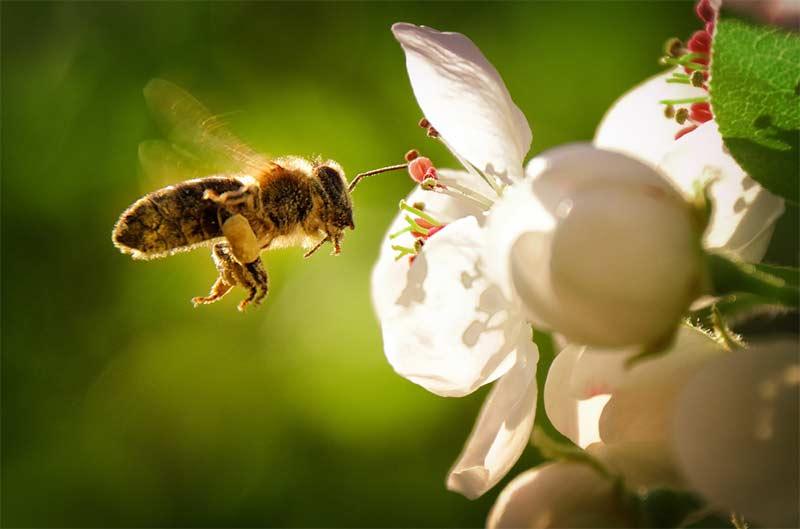
Moreover, native plants can be better for pollinators, beneficial insects, and wildlife. When you are deciding which plants to include in your garden, it's best to focus on native species and plants that are specific to your region.
This will help reduce any harm they might cause to the local ecosystem while also doing your part to help pollinators thrive and flourish.
2. Plant A Tree For Shade
One thing you might want to consider if your garden space gets a lot of sun is planting a tree for some shade. This will make your outdoor space much more comfortable to be in, especially during the summer. If you have young children or pets, this can also be a great way to provide them with a safe space to play in. To keep your garden tidy while you enjoy your shaded spot, consider adding a garden shed for storing tools and equipment. This not only keeps everything organized but also helps extend the lifespan of your gardening tools by protecting them from weather exposure.

3. Invest In Homes For Wildlife
Another great way to create an eco-friendly garden is to invest in homes for wildlife. This could be in the form of bird feeders, bee hotels, or even hedgehog houses.
Bird feeders are a great way to help small birds in your area thrive and survive. You can also provide food for other wildlife, like hedgehogs, which are a great source of insect control. Providing homes for wildlife is a great way to help the ecosystem in your area thrive.
4. Consider Using Local Landscape Gardeners
Another great way to create an eco-friendly garden is to consider using local landscape gardeners near you. When you're hiring landscapers, it's important to find ones that are local to your area. This will reduce the carbon footprint of your outdoor space by not having to transport your materials. This can be a great way to create an eco-friendly garden that you'll be proud of.
If you want to transform your garden but don't have the experience to do the work yourself, local landscape gardeners are the ideal way to create an eco-friendly garden. To find the right landscapers to help you make the most of your outside space, head over to MyBuilder, where it's easy to hire a landscape gardener near you.

5. Grow Your Own Food
Another great way to create an eco-friendly garden is to grow your own food. This is a great way to reduce your carbon footprint when it comes to gardening. If you have enough space, you can try growing potatoes, carrots, tomatoes, lettuce, or any other food that grows well in your area.
Growing your own food can be a great way to save money and provide your family with healthy, eco-friendly food. It can also be a great hobby for you and your family.
6. Start Composting To Reduce Waste
Composting is important because as you're gardening and growing your own food, you'll have leftover materials that will be wasteful if they're thrown away. Instead of throwing these materials away, you can compost them to create fertilizer for your plants. This will also reduce the amount of fertilizer you need to buy from the shop.
7. Let A Section Of Your Garden Go Wild
Having a section of your garden go wild is a great way to be more eco-friendly. You can allow a part of your garden to go wild by leaving it to grow naturally or by planting wild species and allowing it to become overgrown. This is an excellent way to attract wildlife into your garden, such as pollinators or hedgehogs, as the wild section of your garden will not only provide an excellent habitat but will also be a good source of food a forage.
Final Thoughts
If you're thinking of creating an eco-friendly garden, there are many things you can do. First, you should focus on planting native species, as they're more suited to your local climate and require less maintenance. Next, consider investing in homes for wildlife, such as bird feeds and hedgehog houses, as well as installing a bee hotel to attract pollinators. Lastly, start composting to reduce waste and let a section of your garden go wild to attract wildlife.



0 comments