Simply living and being part of the world carries with it the burden of responsibility. Not just to ourselves, but to others, and to the future caretakers of our little corner of the universe. By taking steps to improve the world we live in, we also have a chance to improve our own lives – a rising tide lifts all boats.
As a pet owner, you have a responsibility to ensure not only the health and well-being of your pet but also to take into consideration the impact of your pet’s lifestyle on the environment. With climate change becoming an increasingly pressing issue, it is more important than ever for pet owners to strive to be as eco-friendly as possible. Taking steps towards being an eco-friendly pet owner can help reduce your carbon footprint, protect natural resources, and improve local ecosystems which will be a very satisfying path right after you register your animal companion. Here are some of our best tips to do just that.
6 Simple Ways to Be a More Eco-conscious Pet Owner

Choose Sustainable Pet Food Options
When selecting food for your pet, look for sustainable options that are responsibly sourced and free of artificial ingredients and preservatives. Organic foods are usually produced without the use of synthetic chemicals or pesticides and are therefore less damaging to the environment than conventional foods. Additionally, look for foods that include locally sourced ingredients whenever possible in order to reduce emissions from transportation. If you prefer to feed raw or home-cooked meals, try buying sustainable sources of meat such as grass-fed beef or free-range chicken instead of factory-farmed meat which often leads to environmental pollution from runoff waste.
Buy Eco-Friendly Toys
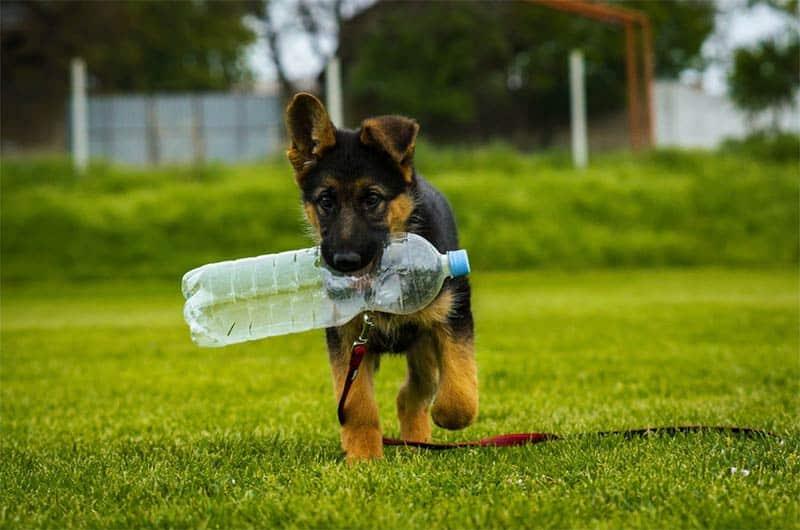
Pet toys can also be chosen with sustainability in mind. Avoid plastic toys that can leach toxic chemicals into the environment when exposed to sunlight or heat over time. Instead, take a page from Mother Nature and opt for materials you can find in the wild. There are a variety of toys made out of wool, cotton, hemp, jute or even recycled rubber which can all be safely composted at the end of their life cycle. Additionally, many companies make durable toys out of recycled materials or upcycled materials.
Invest in Reusable Supplies
Many products used by pet owners like litter boxes and litter liners are made out of materials that cannot be easily recycled or reused. This contributes to increased landfill waste, and makes it difficult to upcycle old supplies. Try investing in reusable items instead of single-use items, like washable diapers, or get items that are made out of durable, easily recyclable materials. For example, there are lots of dog and cat collars made out of sustainable materials that can be sent back to the manufacturer to be repurposed or reused, and you’ll often even get a discount on a replacement. It’s a win-win!
Shop Ethically
Whenever possible, try shopping from stores or small businesses who source their products responsibly. Many pet companies have begun taking accountability for the environmental impact of their products, and you can easily find eco-friendly options for almost all your pet’s needs. Additionally, look for companies that donate a portion of their proceeds towards animal welfare initiatives since these types of businesses tend to care about more than just profitability when it comes to creating their products.
Spay or Neuter Your Pets
Unplanned litters contribute significantly to animal overpopulation. This has resulted in overcrowding at shelters and subsequent euthanasia programs due to lack of space and resources available for animals without homes. Spaying or neutering your pet helps prevent this from happening while also reducing aggressive behaviours associated with intact animals. Additionally, the desexing procedure can help reduce certain common types of cancers in both cats and dogs, so you’ll actually be improving your pet’s health.

Recycle and Compost Appropriately
Make sure you’re disposing of any waste created by your pets responsibly by making use of recycling bins where available. This includes everything from food packaging containers (such as cans or bags) all the way up through larger items like beds and furniture pieces made out of non-recyclable materials. Anything biodegradable can either be composted in a backyard compost bin setup, or taken down to your local park where there may already exist community compost programs. Buying compostable poop bags makes this even easier. This helps keep landfills clean and reduces unnecessary waste buildup within our environment – and can result in an immediately more beautiful and lush garden if you’ve got a green thumb.