Pain can creep into ordinary moments, from lifting laundry to checking mirrors in traffic, until daily life starts to feel smaller. Non-surgical care offers a steadier route: careful assessment, simple tests, and a plan built around function, pacing and realistic habits. Rather than jumping straight to procedures, many people find relief through tailored movement, rehab, sleep support and practical home tweaks that reduce flare-ups and rebuild confidence. Over time, you learn what helps, what aggravates symptoms, and how to track progress in real-life units such as walking time, commute comfort and better sleep. On the Friendly Turtle EcoBlog, we like solutions that fit everyday routines fewer panic buys, more reusable supports, and choices that keep both wellbeing and waste in check. It’s a mindset of gentle consistency, and it can be a sensible first step before deciding whether specialist interventions are needed.
Share your articles with us and get published! Reach out at hello@friendlyturtle.com.
Things You Have Always Wanted to Know About Reusable Water Bottles
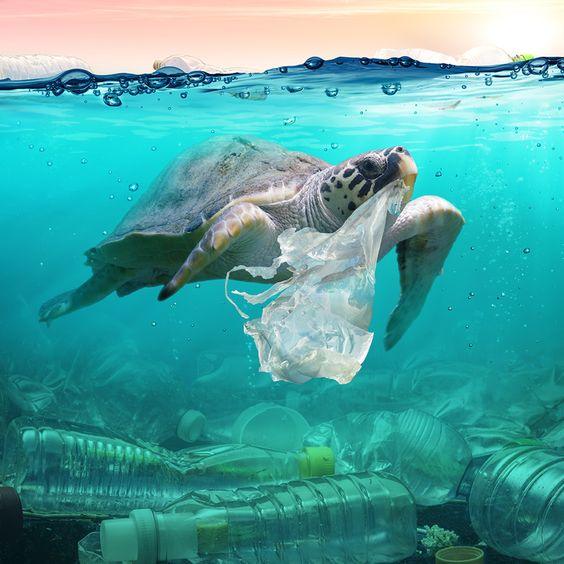
Why should everyone switch to reusable water bottles in the UK? The reasons go beyond saving money. The more significant reason is to save the environment. You are probably aware that plastic bottles are bad for the planet. What you may not know is how much harm they are causing to the ecosystem.
The following are some of the shocking facts about plastic bottles that motivate individuals and organisations to push for reusable water bottles.
- A million plastic bottles are bought every minute while around 60 million plastic bottles are thrown in landfills every single day.
- Only 10% of plastic bottles end up in landfills while the other 90% are left unrecycled, with most of them ending up in the oceans, polluting the waters and endangering marine animals.
- In the UK, about 7.7 billion plastic water bottles are used every year.
Did you know that the plastic water bottles in the ocean can also pose a threat to your health? According to recent studies by scientists at the Ghent University in Belgium, people can potentially ingest 11,000 tiny pieces of ‘micro-plastics’ every year by eating seafood.
The good news is that with the continuous spread of awareness and conscious efforts of green organisations, manufacturing companies and people are now becoming more considerate with the planet earth and the impacts we have. For this reason, there are more plastic-free shops than ever in the UK. Consumers are also now more convinced of the benefits and importance of reusable water bottles in the UK.
The average person drinks 30 gallons of bottled water every year. If you choose to use reusable water bottles, you can reduce these statistics, reduce your own impacts and help save the environment. So, where can you buy good reusable water bottles? From zero-waste shops in the UK.
These shops manufacture durable water bottles made from high-quality materials such as food-grade steel o aluminium to ensure that they can use them for as long as possible. Some of their products are even made from recyclable materials like paper coffee cups. Aside from this, their water bottles are also easy to clean, making sure that you will get rid of those molecules that cling into the interiors. Plus, they look super cool and trendy too right?!
0 comments
Let customers speak for us
Blog posts
When birth doesn’t go to plan, recovery can feel physical, emotional, and deeply personal. Some mothers regain strength quickly, while others need weeks or months to heal from pain, fatigue, mobility limits, or low mood. The most helpful support is practical and consistent: reduce decision-making, keep essentials within reach, prepare nourishing meals, tidy the space, and handle daily chores so she can focus on rest and bonding. Gentle routines matter too, from hydration and sleep to calm, low-stimulation moments that help her process what happened without pressure. At Friendly Turtle EcoBlog, we often talk about mindful, low-waste living that supports real life and postpartum care is a time when “simple and supportive” matters most. A safer, calmer home and hands-on help can make recovery feel possible again.
A low-waste bathroom routine often starts with a simple realisation: the bin fills up fast, even when you shop carefully. Mini bottles, cotton pads and cracked pump tops add up in weeks. This Friendly Turtle EcoBlog guide breaks eco-conscious personal care into practical, repeatable habits that reduce waste without making hygiene feel complicated. You’ll learn how to scan labels quickly (and spot vague “fragrance” claims), choose packaging that actually gets finished, and make refills work in real life by setting a regular top-up day. We also cover everyday issues like hard water, which can lead to product overuse, plus smarter storage so half-used items don’t expire in drawers. With a few small prompts to slow impulse buys, you can buy less, use what you own, and keep your routine calm, tidy and genuinely sustainable over time.
