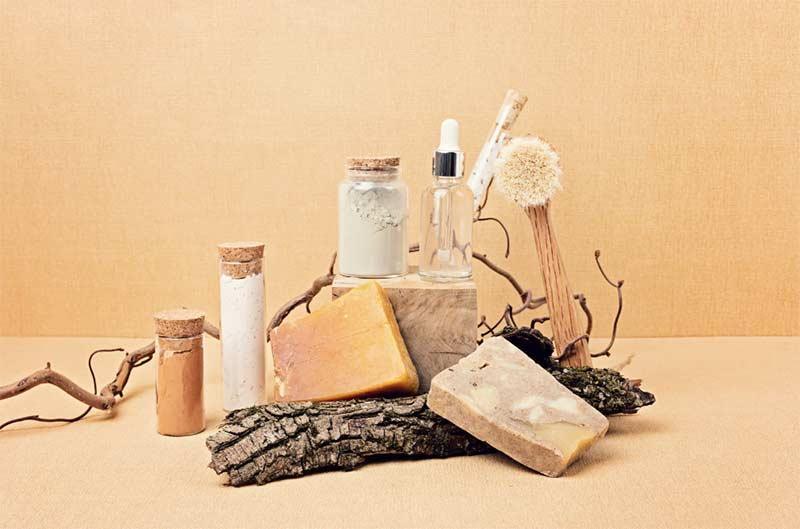
As the world becomes more aware of the impact of human activity on the environment, the demand for eco-friendly products is increasing. Eco-friendly products are those that are made from sustainable materials, are biodegradable, and have a low carbon footprint. These products are not only better for the environment, but they also benefit consumers by being healthier and safer to use. In this article, we will explore the future of eco-friendly products and how they are likely to shape our world in the coming years.
The Growing Demand for Eco-Friendly Products
One of the most significant trends in the world of eco-friendly products is the growing demand for them. As consumers become more aware of the impact of their actions on the environment, they are increasingly seeking out products that are sustainable and eco-friendly. This demand is driven by several factors, including concerns about climate change, pollution, and the depletion of natural resources.
Consumers are also becoming more aware of the health benefits of using eco-friendly products. Many traditional products contain harmful chemicals that can cause health problems such as allergies and respiratory issues. Eco-friendly products, on the other hand, are often made from natural materials and are free from these harmful chemicals.
The Rise of Sustainable Materials
Sustainable materials are those that are sourced from renewable resources and have a minimal impact on the environment. Some examples of sustainable materials include bamboo, hemp, and recycled plastic.
In recent years, there has been a significant increase in the use of sustainable materials in the production of consumer goods. For example, many companies are now using bamboo and hemp to create clothing and accessories. These materials are not only sustainable, but they are also durable and comfortable to wear.
Recycling and Upcycling
Recycling and upcycling are also becoming increasingly popular in the world of eco-friendly products. Recycling involves turning waste materials into new products, while upcycling involves repurposing existing products to create something new. Both of these practices are effective ways to reduce waste and conserve resources.
Many companies are now using recycled materials in their products, such as recycled plastic in packaging or recycled glass in home decor. Upcycling is also becoming more popular, with people repurposing old clothing or furniture to create something new and unique.
The Importance of Carbon Footprint
The carbon footprint of a product refers to the amount of greenhouse gasses emitted during its production, transportation, and disposal. As the world becomes more aware of the impact of climate change, the carbon footprint of a product is becoming an increasingly important consideration for consumers.
In response to this trend, many companies are working to reduce the carbon footprint of their products. This can be achieved through a variety of methods, such as using renewable energy sources in production or designing products that are more energy-efficient.
The Future of Eco-Friendly Products
So what does the future hold for eco-friendly products? There are several trends that are likely to shape the future of this industry in the coming years.
One of the most significant trends is the development of new materials that are even more sustainable and eco-friendly. For example, researchers are currently working on creating materials from agricultural waste, such as banana peels and corn husks. These materials would be biodegradable and would have a minimal impact on the environment.
Another trend is the increasing use of technology to create eco-friendly products. For example, 3D printing technology can be used to create products with minimal waste of material. This technology also allows for the creation of complex shapes and designs that would be difficult to achieve with traditional manufacturing methods.
The use of renewable energy sources is also likely to play a significant role in the future of eco-friendly products. Many companies are already using renewable energy sources such as wind and solar power to reduce their carbon footprint, and this trend is likely to continue in the coming years. In addition, the development of new energy storage technologies, such as battery technology, will enable more widespread adoption of renewable energy sources.
Another trend in the future of eco-friendly products is the increased emphasis on circularity. Circularity refers to the idea of creating a closed-loop system in which products are designed to be reused, recycled, or repurposed at the end of their life cycle. This can be achieved through product design, material selection, and the development of recycling and upcycling infrastructure.
Finally, the future of eco-friendly products is likely to be shaped by changes in consumer behaviour. As more people become aware of the impact of their actions on the environment, they are likely to seek out products that are more sustainable and eco-friendly. This trend will drive innovation in the industry and encourage companies to develop new and innovative eco-friendly products.
Conclusion
The future of eco-friendly products is bright. As consumers become more aware of the impact of their actions on the environment, they are increasingly seeking out products that are sustainable and eco-friendly. This trend is driving innovation in the industry, with companies developing new materials, technologies, and products that are better for the environment.
In the future, we can expect to see even more sustainable materials, circularity, and the use of renewable energy sources. These trends will not only benefit the environment, but they will also benefit consumers by creating products that are healthier and safer to use. The future of eco-friendly products is one of innovation and progress, and we can all play a role in shaping that future.
If you need more information on the topic of eco-friendly products, you can order an essay online from a reliable writing service. Such a paper will provide you with in-depth analysis and insights into the trends and developments in the industry.