Choosing where you cast your line matters just as much as how you fish. Eco-friendly freshwater fishing starts with clean, healthy waterways, balanced fish populations and locations that aren’t already under pressure from crowds and pollution. By favouring clear, safe rivers and lakes, avoiding overfished hotspots and steering clear of banks choked with litter, boat traffic and noise, you help protect the habitats that make time by the water so calming in the first place. Look for spots with good water-quality reports, strong local conservation efforts and minimal visible damage to the shoreline. Chatting with local anglers, rangers and environmental groups can point you towards more sustainable choices, too. At Friendly Turtle EcoBlog, we’re all about slow, low-impact living and that extends to how we enjoy nature, from mindful, low-waste days on the bank to leaving every fishing spot cleaner than we found it.
Share your articles with us and get published! Reach out at hello@friendlyturtle.com.
Silicone Reusable Bags - What You Must Know Before Buying Them
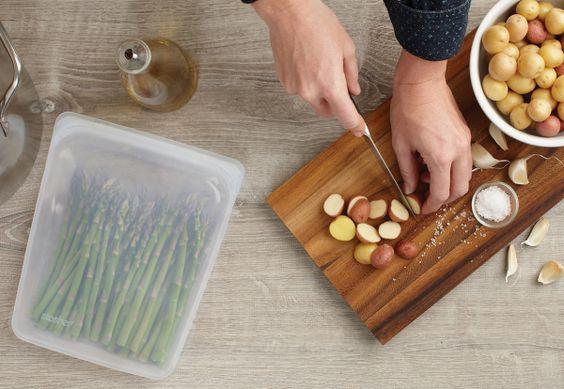
Silicone reusable bags are often advertised as a better option compared to single-use plastic bags. But what exactly makes them a great alternative? Why should you make the switch and perhaps spend more money purchasing these products? Let’s explore the answers…
FDA-approved
Unlike plastics, food-grade silicone does not contain harmful chemicals like BPA, latex, or lead, which are known to cause health problems. It is made of a type of rubber that is considered safe. Silicone is non-toxic and odourless; in fact, it's not only used for making reusable bags for food storage but also for various baby products such as teethers and used throughout hospitals in the world.
Safe for food
Zero waste shops in the UK sell a non-leaching type of rubber when making reusable silicone bags to ensure the highest level of food safety. When the food is heated or microwaved, the silicone bags won't release chemicals and seep into the food. You won't have to worry about the taste getting altered or harmful chemicals entering your body.
Resealable
Plastic-free shops in the UK have successfully mimicked plastic ziplock bags using silicone material. Many of the benefits that ziplock bags offer can be found in reusable silicone bags, including the resealable feature. Some styles of silicone bags can even stand on their own which makes pouring leftover food into them so much easier.
Microwave, freezer, and dishwasher safe
Ziplock bags can be reused, but you must handwash them thoroughly dry them before using them again. As for reusable silicone bags, you can toss them in the dishwasher and let the machine do the cleaning. Need to heat or reheat food? Put it straight in the microwave. The bag can handle up to 230 degrees. Want to keep raw ingredients frozen? It's okay to place the silicone bag inside the freezer as well.
0 comments
Let customers speak for us
Blog posts
High-quality sleep isn’t just about how many hours you spend in bed – it’s also about what you’re sleeping on. The materials in your mattress, pillows and bedding have a huge impact on temperature, pressure relief and how rested you feel in the morning. Synthetic, low-quality fibres can trap heat, irritate skin and wear out quickly, while natural options like bamboo, French linen, organic cotton and natural latex are breathable, durable and kinder to the planet. Choosing sustainable fabrics means you’re not only supporting better sleep but also lowering your environmental footprint by avoiding plastics, harsh treatments and short-lived products that end up in landfill. From swapping to eco-friendly pillow fillings to investing in breathable, responsibly sourced sheets, small upgrades can transform your nightly comfort over time. On Friendly Turtle EcoBlog, we love exploring how greener lifestyle choices including what you sleep on can support both wellbeing and the environment, helping you create a bedroom that feels cosy, calm and consciously low-impact.
Creating a home that really lasts isn’t just about buying “better” stuff it’s about choosing designs that are built for repair, reuse, and recycling. Today’s most exciting sustainable innovations focus on durability first. Modular appliances and furniture mean that when one small part fails, you can swap a component instead of sending the whole item to landfill. Simple additions like sturdy rails or runners make heavy machines easier to move and maintain, so they’re less likely to be damaged and replaced. Smart self-diagnostics can flag worn parts early, reducing wasteful breakdowns, while monomaterial casings make end-of-life recycling far more efficient. In the Friendly Turtle EcoBlog guide, we explore how these ideas are reshaping everyday essentials from coffee machines and wardrobes to fridges and vacuums and how to spot genuinely long-lasting designs next time you shop. Small, thoughtful choices in the products we bring home can quietly cut clutter, save money, and shrink our environmental footprint for years to come.
