Share your articles with us and get published! Reach out at hello@friendlyturtle.com.
Share your articles with us and get published! Reach out at hello@friendlyturtle.com.
Share your articles with us and get published! Reach out at hello@friendlyturtle.com.
Share your articles with us and get published! Reach out at hello@friendlyturtle.com.
Share your articles with us and get published! Reach out at hello@friendlyturtle.com.
Share your articles with us and get published! Reach out at hello@friendlyturtle.com.
Share your articles with us and get published! Reach out at hello@friendlyturtle.com.
Share your articles with us and get published! Reach out at hello@friendlyturtle.com.
Share your articles with us and get published! Reach out at hello@friendlyturtle.com.
Share your articles with us and get published! Reach out at hello@friendlyturtle.com.
Share your articles with us and get published! Reach out at hello@friendlyturtle.com.
Share your articles with us and get published! Reach out at hello@friendlyturtle.com.
Share your articles with us and get published! Reach out at hello@friendlyturtle.com.
Share your articles with us and get published! Reach out at hello@friendlyturtle.com.
Share your articles with us and get published! Reach out at hello@friendlyturtle.com.
Share your articles with us and get published! Reach out at hello@friendlyturtle.com.
Share your articles with us and get published! Reach out at hello@friendlyturtle.com.
Share your articles with us and get published! Reach out at hello@friendlyturtle.com.
Share your articles with us and get published! Reach out at hello@friendlyturtle.com.
Surfers Against Sewage - We Choose You!
Our Charity Of The Year
Amongst the vast list of 'must-do's' we had while setting up a new eco-conscious online store, selecting a charity of the year to work with in 2019 that resonates with our values and global concerns was a significant decision for us. So we went about many hours of research to find the most suitable Charity to work with and support, which demonstrates real action for our fight against plastic.
To help us make this decision, we first had to consider the most significant concern for us. Among the many concerns that we collectively have, the one that worried us the most is the use of single-use plastics and the effect it has on the oceans and marine life. With this concern at the forefront of our search, we nailed it down to two possible charities we would love to support.
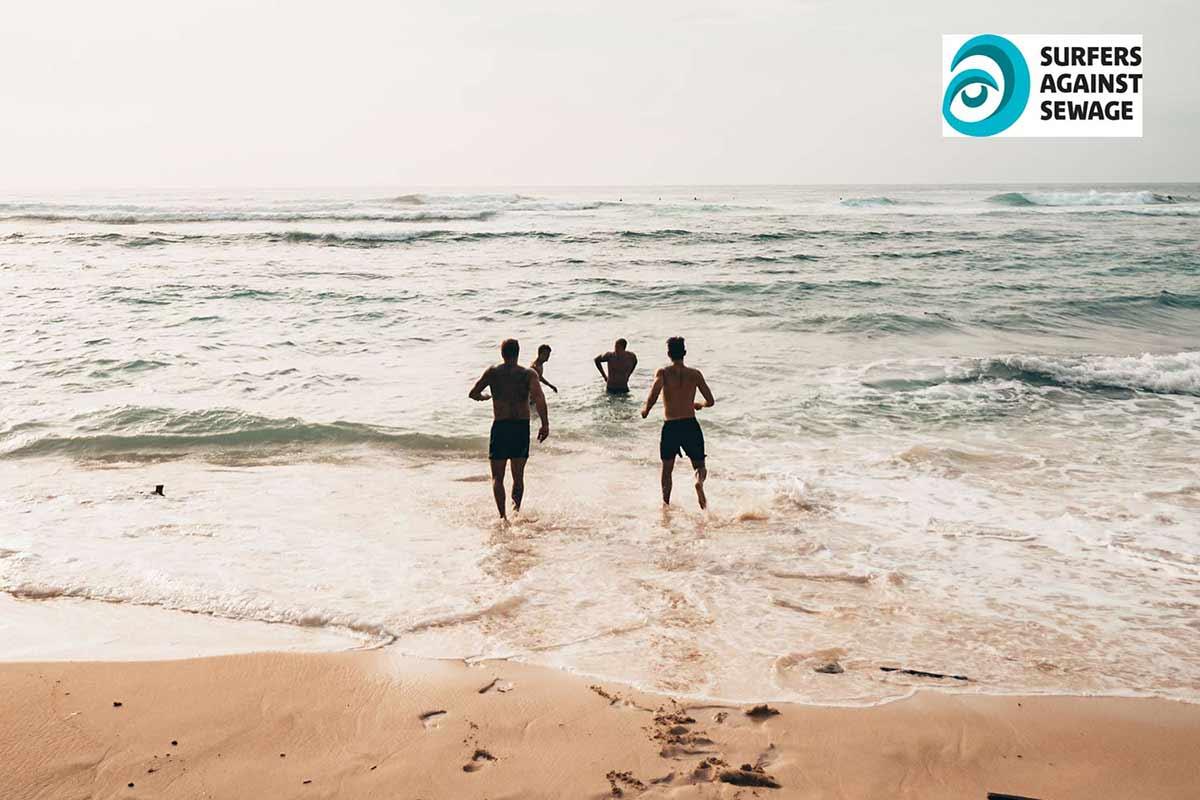
And the winner is...you guessed it- Surfers Against Sewage.
So why have we chosen this Charity over the many other worthwhile causes out there you might ask? Firstly, a quick Google search pulls up this result from Wikipedia: Surfers Against Sewage is a marine conservation charity working with communities to protect oceans, waves, beaches and marine life. It was created in 1990 by a group of Cornish surfers from the villages of St Agnes and Porthtowan on the north coast of Cornwall.
Fitting right? We've found a UK based charity that wants to make considerable efforts to protect those things that mean so much to us. In the South East alone, they have carried out 42 beach cleans and removed 3, 153kg of plastic from our local beaches. And this is just in our region!
What They Do
Along with their efforts to keep our beaches clean from plastics, Surfers Against Sewage have created a Plastic-Free Community network. This network is all about "kicking our addiction to avoidable single-use plastic, and changing the system that produces it". They also have a schools programme that's aimed at engaging and inspiring the next generation of "environmental champions". Plus all of the lobbying and petitioning to the government and industries to do more to tackle the problem of all of this throwaway plastic they are contaminating our planet with.
At the end of the day, these guys and girls seem to have their hands firmly on the wheel and attempting to steer us in a better direction. All of us at Friendly Turtle have already fallen in love with Surfers Against Sewage, and are delighted to be able to pledge 10% of all profits to this incredible and worthwhile cause.
So simply by being here and shopping with us and our chosen brands, you are already helping Surfers of Sewage on their mission, and creating a better place for us all to live!
I already had some of these tea towels and love them so treated myself to some more so I could ditch the horrible ones I have accumulated. The quality is great- they come with a useful hanging hook, they wash really well and are soft and absorbent- what else do you need? Well worth the money. Delivery was quick.
Good quality, nice to know it is so eco friendly, feels good on the scalp and effective at getting through my thick hair. Good price, well packaged and good delivery time. Very pleased with my purchase, thank you
I bought these to replace some bought from elsewhere which had failed within a short time of using. I use these daily, they are excellent and I'll definitely be buying more. Would highly recommend
An excellent, and wholesome, solution to my sad looking wooden bowl.
It was not on my to do list, until I spotted the beeswax option.
A traditional, effective, and natural option
to bring the wood back to life.
Now, what else needs a bit of t l c..........?
When you daughter wants your brush, but settles for an exact replica, it must be good! Beautiful wood, light and massively effective. We both have thick hair and this does the job so effectively… great massage effect on the scalp! It is easy to remove stray hairs from the brush and I feel really good that it’s eco and ethical and I highly recommend. It came in minimum packaging, which was just right…a safe, eco padded envelope, and it arrived very quickly. Looks gorgeous on my dressing table and looks as if it cost twice the price that it did.
Hidden plastic can be found in an everyday product that many people never question: tea bags. In this Friendly Turtle EcoBlog, we explore what tea bags are really made from, why some contain polypropylene, nylon or PET, and how to identify genuinely plastic-free alternatives with confidence. You'll learn how to check the packaging, recognise different tea bag materials, understand the difference between compostable, home-compostable and biodegradable claims, and discover why loose-leaf tea is often the most sustainable option. We also examine the latest research surrounding microplastics released during brewing, helping separate established facts from ongoing scientific discussion. Whether you prefer the convenience of tea bags or are thinking about switching to a reusable infuser, there are simple ways to reduce unnecessary plastic without compromising on flavour or convenience. From choosing certified plastic-free tea bags to brewing loose-leaf tea in a reusable infuser, this guide explains how one small everyday change can help reduce waste, support more sustainable habits and make every cup of tea a little kinder to the planet.
A long-distance movingday can feel overwhelming, but careful preparation makes the process far easier to manage. From confirming arrival times and protecting important documents to labelling boxes clearly and preparing a first-night kit, every small decision helps reduce delays, confusion and unnecessary stress. In this Friendly Turtle EcoBlog guide, we explain what to expect during pickup, loading, transit and delivery, while sharing practical long-distance moving tips for a more organised relocation. Keeping medication, identification, chargers, valuables and essential household items with you can prevent important belongings from disappearing into the moving truck. Photographing boxes, recording valuable items and checking paperwork carefully also creates a useful record in case anything is lost or damaged. Preparing clear walkways, arranging access and keeping children or pets away from busy areas allows the moving team to work more safely and efficiently. Thoughtful planning can also reduce waste by helping you avoid duplicate purchases, damaged belongings and unnecessary packing materials. With a reliable moving day checklist, clear communication and realistic expectations, your long-distance relocation can feel calmer, safer and far more manageable from the first packed box to the final delivery.
Zero-waste living is often presented as a simple matter of commitment, but many sustainable habits depend on time, planning, physical ability and reliable executive function. Refill shopping, preparing containers, cooking from scratch and remembering reusable items may feel manageable for some people while creating genuine barriers for disabled and neurodivergent individuals. In this Friendly Turtle EcoBlog discussion, we explore why accessible zero-waste living must account for different levels of energy, memory, mobility and sensory tolerance. Convenience products such as pre-cut food, plastic straws or disposable tableware are frequently criticised, yet they can make daily life safer and more manageable for people who need them. Inclusive sustainability should focus on reducing waste without turning convenience into a moral failure. Flexible systems, simpler routines and realistic alternatives can help more people participate in environmentally responsible habits. Progress might mean using one reusable bottle, following a weekly shopping routine or choosing low-effort options that prevent food waste. By designing sustainable products, refill schemes and community initiatives around real human needs, the environmental movement can become more practical, compassionate and effective for everyone.
Signup for our newsletter to stay up to date on sales and events.
Enter for a Chance to Win Every Month!
Sign up with your email for a chance to win amazing eco-friendly products every month. Stay updated with our latest sustainable living tips, product launches, and exclusive content. Enter Now and be a Part of Our Green Community!